
Fire Door Regulations in Flats: A Guide for Managing Agents
Fire safety is a critical concern for managing agents of blocks of flats. Ensuring compliance with fire door regulations is essential. Fire doors play a vital role in preventing the spread of fire and smoke.
Managing agents must be well-versed in fire door requirements. This includes understanding fire door rules and the legal framework. Fire door regulation 10 is particularly important for residential buildings.
Regular fire door maintenance and inspections are crucial. They help maintain fire safety compliance and protect residents. Fire door inspection services in London can provide specialised expertise.
Non-compliance with fire door regulations can lead to severe penalties. It also increases liability for managing agents. Therefore, staying informed about fire safety laws is essential.
This guide will explore key aspects of fire door regulations. It will provide practical advice for managing agents.
Prioritising fire safety is not just a legal obligation but a moral one.
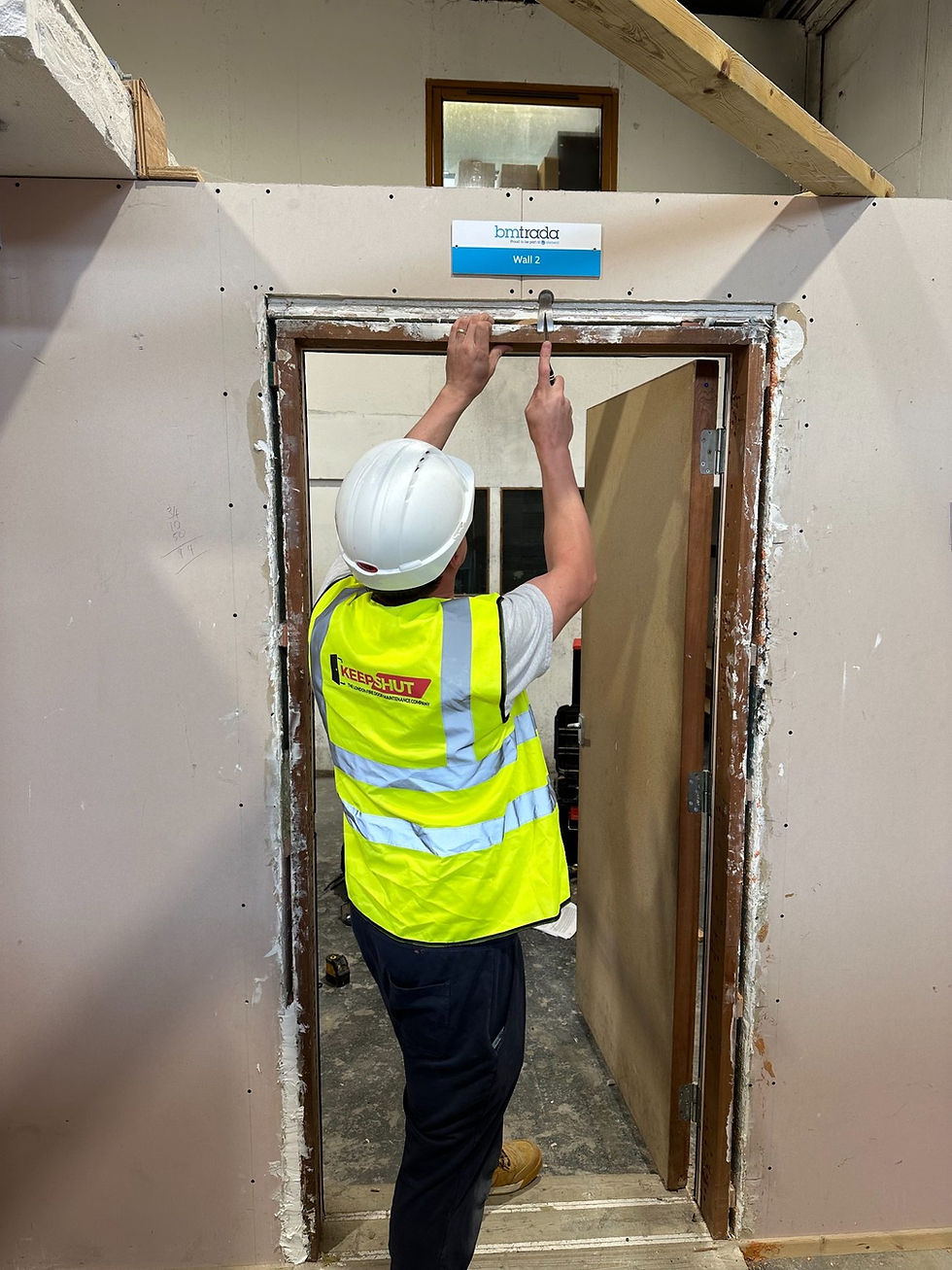
Why Fire Doors Matter in Blocks of Flats
Fire doors serve as a crucial component of fire safety in blocks of flats. They can effectively compartmentalise a building, preventing the spread of fire and smoke. This containment buys valuable time for evacuation and emergency responses.
The role of fire doors extends beyond mere separation. They maintain the integrity of escape routes, ensuring they remain safe for residents. Properly functioning fire doors can mean the difference between life and death during a fire.
Managing agents have a responsibility to ensure fire doors are compliant. This includes ensuring doors are self-closing and have adequate seals. Fire doors must be regularly checked and maintained to remain effective.
Key benefits of fire doors include:
Preventing fire and smoke from spreading
Providing safe exit routes during emergencies
Enhancing overall building safety
Ultimately, fire doors are an essential part of a building's passive fire protection system. They require attention and care from managing agents. Ensuring their functionality protects both property and the lives within it.
Key Fire Door Regulations and Legal Framework
Fire doors are governed by a framework of regulations. These regulations are essential for ensuring safety in blocks of flats. The main piece of legislation is the Regulatory Reform (Fire Safety) Order 2005.
This order places responsibility on managing agents and building owners. They must ensure that appropriate fire safety measures are in place. It includes the maintenance and regular inspection of fire doors.
Compliance with these regulations is mandatory. Failing to meet the standards can lead to severe penalties.
Moreover, non-compliance increases liability in case of fire incidents.
Key regulations property managers need to know include:
Regular maintenance and inspection of fire doors
Installation of self-closing mechanisms
Proper labelling and signage for fire doors
Understanding these regulations is critical for property managers. Ignorance or negligence can result in legal consequences. It is also morally crucial to protect the well-being of occupants.
Fire doors are not standalone components. They fit into a broader fire safety strategy that includes alarms and evacuation plans. This comprehensive approach minimises risks in case of a fire.
By adhering to fire door regulations, property managers uphold safety standards. They ensure their buildings are protected against potential hazards. Compliance also involves staying updated with any changes in legislation.
Understanding Fire Door Regulation 10
Fire Door Regulation 10 highlights specific responsibilities. It outlines the standards required for installation and maintenance of fire doors. These standards ensure doors perform optimally during a fire.
The regulation mandates regular checks. This includes the functionality of self-closing and self-latching features. Regular inspections help in identifying wear and tear promptly.
Key aspects of Regulation 10 include:
Maintaining the integrity and functionality of fire doors
Ensuring regular inspections and maintenance
Keeping documented records of all inspections and repairs
Managing agents must be aware of their responsibilities under this regulation. It places emphasis on maintaining fire doors to prevent fire spreading. Non-compliance can lead to serious repercussions and increased risks.
Efforts to comply with Fire Door Regulation 10 enhance safety. They also provide peace of mind to building occupants. Knowing fire doors are well-maintained and effective is invaluable.
Fire Door Requirements: What Managing Agents Must Ensure
To meet fire door requirements, managing agents must pay close attention to detail. These requirements ensure the safety and security of all residents. Proper fire door installation and maintenance are paramount.
Firstly, managing agents should guarantee that all fire doors have appropriate labelling. Labels must indicate the fire rating of the door. The rating shows how long a door can withstand fire, which is essential for safety planning.
Moreover, fire doors must have self-closing devices. These devices ensure the doors close automatically after opening.
A fire door that cannot shut completely loses its effectiveness.
Regular maintenance checks are crucial to compliance. Inspections should assess door seals for damage or wear. Any gaps around the door should be addressed immediately to maintain effectiveness.
Proper documentation is also a vital requirement.
Managing agents should keep records of all inspections and repairs. This documentation is essential for proving compliance in audits or legal reviews.
Key requirements for managing agents include:
Installing fire doors according to regulatory standards
Ensuring self-closing and self-latching functions work
Documenting all maintenance and inspections thoroughly
By fulfilling these requirements, managing agents protect both the building and its occupants. They also lower their risk of legal consequences and liabilities.
Fire Door Rules for New and Existing Buildings
Fire door rules may vary depending on a building's age and design. New constructions need to comply with the latest regulations. This includes using up-to-date fire-resistant materials and technologies.
Existing buildings might require retrofitting to meet current standards. Managing agents should assess older fire doors for functionality. If the doors are substandard, they should be replaced promptly.
Differences in fire door regulations for new and existing buildings include:
New constructions must use the latest fire safety technology
Older buildings might need modifications to meet current standards
Specific retrofitting might be required for existing structures
Managing agents should familiarise themselves with the specific regulations that apply. By doing so, they ensure their buildings remain safe and compliant. This proactive approach reduces risks and promotes occupant safety.
Understanding the distinctions between old and new building requirements is key. It allows managing agents to plan effectively and make informed decisions. Ultimately, following these regulations is vital for ensuring comprehensive fire safety compliance.
Fire Door Maintenance: Best Practices for Compliance
Maintaining fire doors is crucial for ongoing safety and compliance. Effective maintenance ensures that fire doors perform as needed during emergencies. It prevents minor issues from becoming major risks.
Routine inspections form the backbone of fire door maintenance. Each inspection should assess the integrity and functionality of the door components. Pay attention to door gaps, seals, and latches to ensure they are intact.
Additionally, maintenance should address any visible wear and tear immediately. This includes replacing damaged seals and repairing broken hardware. Prompt action prevents the loss of fire containment.
Keeping detailed maintenance records is a best practice that managing agents should not overlook. Documentation serves as proof of compliance. It also helps track maintenance schedules and forecast future needs.
Key fire door maintenance practices include:
Regularly checking seals, gaps, and latches
Promptly addressing wear and damage
Keeping thorough and up-to-date records
By adhering to these practices, managing agents ensure fire doors function properly.
This proactive maintenance strategy safeguards building occupants and enhances overall fire safety compliance.
Fire Door Inspection: Frequency, Process, and Documentation
Fire door inspections are crucial for ensuring effectiveness and adherence to fire safety compliance. Inspections must be conducted regularly, ideally every six months. Frequent checks help to quickly identify and address issues before they escalate.
The inspection process should follow a systematic approach. Inspectors must evaluate the door's frame, seals, hardware, and door closers. Ensure that all components function correctly without any obstruction or damage.
Documentation of inspections is as important as the inspection itself. Reports should capture the condition of each door and list any repairs made. Such documentation plays an integral role during audits and compliance checks.
Regular inspections not only verify compliance but also prolong the lifespan of fire doors. They help to ensure safety measures remain functional and effective over time. Managing agents should prioritise frequent, thorough inspections to reduce risks.
Elements of an effective fire door inspection include:
Scheduled bi-annual inspections
A detailed examination process for all door components
Comprehensive documentation of findings and actions taken
By maintaining a rigorous inspection schedule, managing agents uphold safety standards and legal obligations. This ensures peace of mind for both residents and property managers.
Fire Door Inspection London: Local Considerations
London poses unique challenges in fire door inspections due to its diverse building architectures. Managing agents must stay updated on local regulations. Compliance with these specific rules is imperative for safety.
Working with certified professionals familiar with London regulations is advisable. They bring specialised expertise that addresses the city's distinct building needs. Engaging local experts ensures you navigate complex compliance requirements effectively.
Critical considerations for fire door inspection in London include:
Adhering to local building safety regulations
Consulting certified professionals for inspections
Understanding city-specific architectural challenges
By prioritising these local aspects, managing agents strengthen compliance efforts in London. This approach helps to accommodate diverse building styles while maintaining high safety standards.
Common Fire Door Issues and How to Address Them
Fire door issues can arise from various factors including wear, damage, and improper use. Addressing these promptly is critical for maintaining safety and compliance.
One common issue is misalignment, which can prevent proper closure. Regularly check and adjust the door alignment to ensure it fits securely within the frame. If a door does not close properly, it compromises its ability to contain fire.
Damaged seals and gaps can also hinder a fire door's effectiveness. Inspect the seals for wear and replace them as needed. Ensure gaps between the door and frame are within allowable limits, usually 3mm to 4mm.
Hardware malfunctions are another frequent problem. Check the condition of hinges, locks, and door closers regularly. Replace or repair any faulty components to maintain the door's operational integrity.
Key fire door issues to monitor include:
Misalignment causing improper closure
Damaged seals and excessive gaps
Faulty door hardware components
Addressing these issues head-on through regular checks and prompt repairs ensures fire doors remain functional and compliant. Managing agents should prioritise these practices to enhance building safety.
Training, Communication, and Resident Engagement
Effective fire safety relies on proper training and clear communication. Both staff and residents must understand the role of fire doors.
Regular training sessions should be organised for residents to educate them about the importance of fire doors. These sessions can explain how to use them properly and why they should never be propped open.
Managing agents should maintain open lines of communication with residents. Provide updates on fire safety measures and any changes to the building's fire safety policies.
Encouraging resident engagement can be achieved by involving them in safety drills and feedback sessions. This will help to reinforce the significance of fire safety protocols.
Key Focus Areas for Engagement:
Regular training on fire door usage
Effective communication of safety updates
Involvement in fire safety drills and discussions
Empowering residents through education and engagement fosters a cooperative atmosphere for maintaining a safe living environment.
Penalties and Risks of Non-Compliance
Failure to comply with fire door regulations poses serious risks.
Non-compliance can lead to substantial legal penalties and fines. Additionally, managing agents might face significant liabilities.
Besides legal consequences, safety is compromised, endangering lives and properties. Fire doors are crucial for containing fires and ensuring safe exits.
Potential Consequences of Non-Compliance:
Legal penalties and fines
Increased liability for management
Compromised resident safety
By prioritising compliance, managing agents protect both the building's integrity and the well-being of its occupants. Regular audits and updates to safety protocols are vital for ongoing compliance.
Practical Steps for Managing Agents: A Compliance Checklist
Managing agents play a crucial role in maintaining fire safety. Following a structured compliance checklist can aid in meeting fire door regulations. Regular check-ups and updates ensure fire door efficacy.
Begin by scheduling periodic inspections by certified professionals. This guarantees all doors function properly and adhere to current standards. Documentation of these checks is essential for record-keeping and future reviews.
Essential Items for Your Compliance Checklist:
Schedule regular professional inspections
Document all maintenance and repairs
Train staff and residents on fire door importance
Additionally, maintaining open communication with residents about fire safety can enhance compliance. Educate them on the necessity of keeping fire doors unobstructed and functional. Keeping informed about legislative changes helps in maintaining up-to-date safety measures.
Conclusion: Prioritising Fire Safety in Blocks of Flats
Ensuring fire safety in blocks of flats is paramount. Fire doors are crucial components of a broader safety strategy. Managing agents must stay informed and proactive in their compliance efforts.
Regular maintenance and inspections are vital for effective fire door performance. By prioritising these tasks, managing agents can help protect lives and property. The commitment to fire safety reflects not just legal adherence, but a duty of care.
Ultimately, fire safety compliance is a shared responsibility. Engaging with residents and experts enhances safety measures and fosters a secure living environment.

Comments